VSC_RL
2018
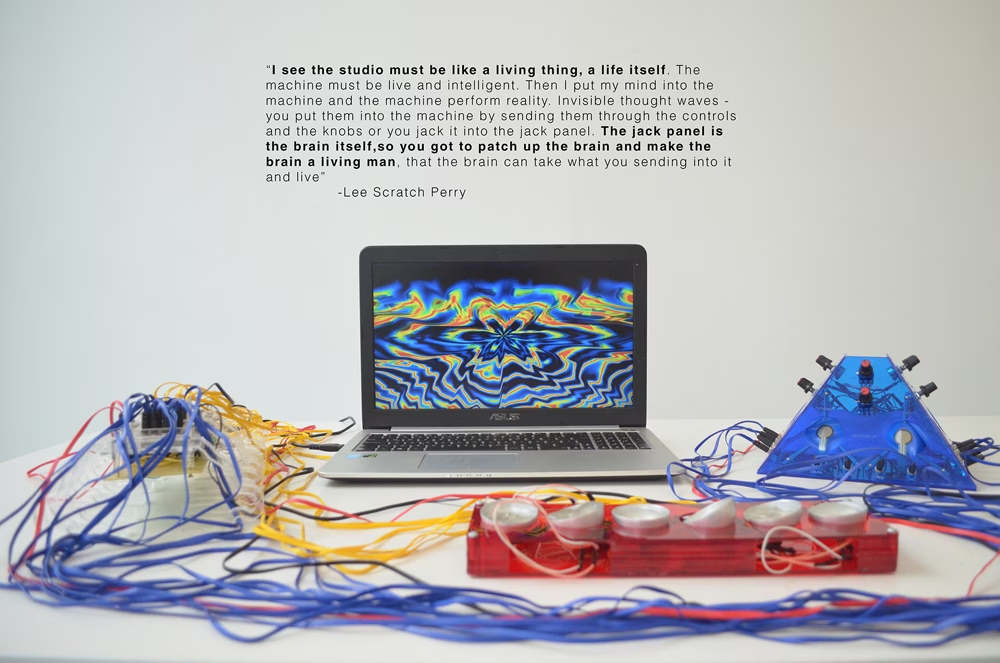
I see the studio must be like a living thing, a life itself.
— Lee Scratch Perry
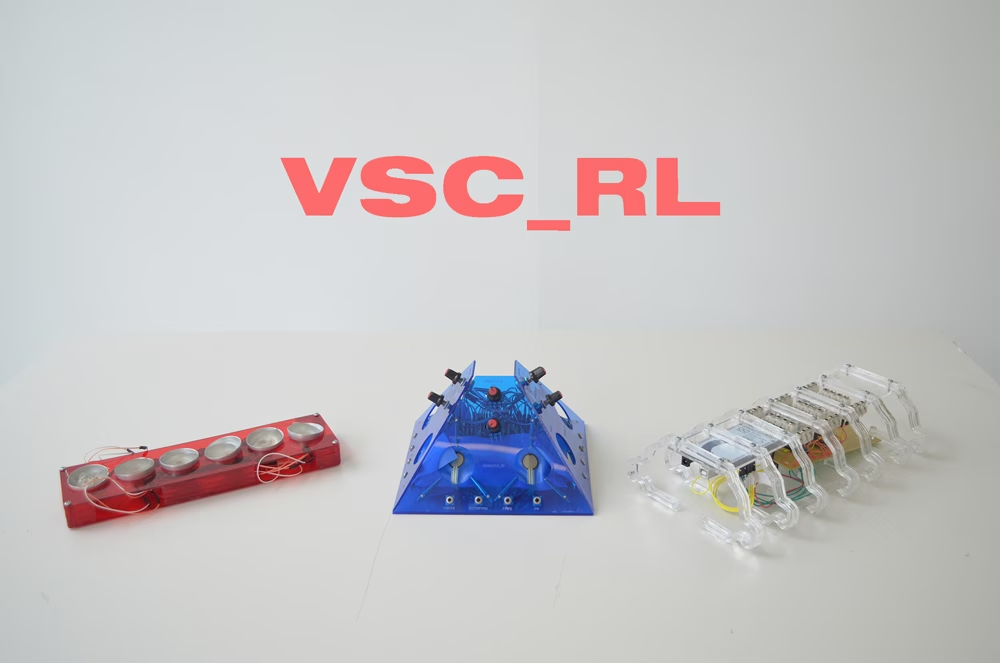
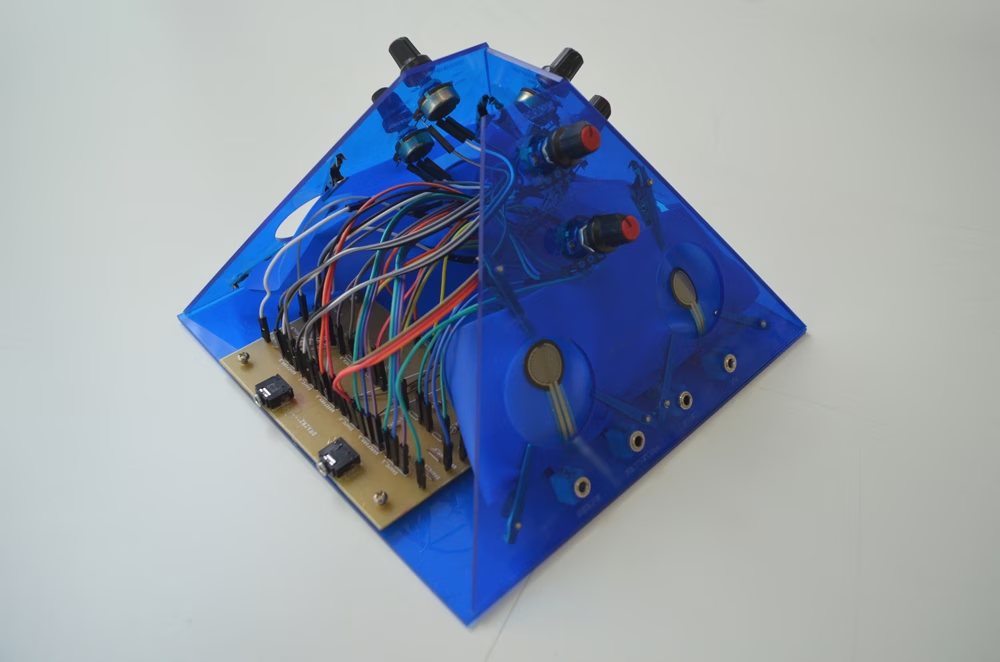
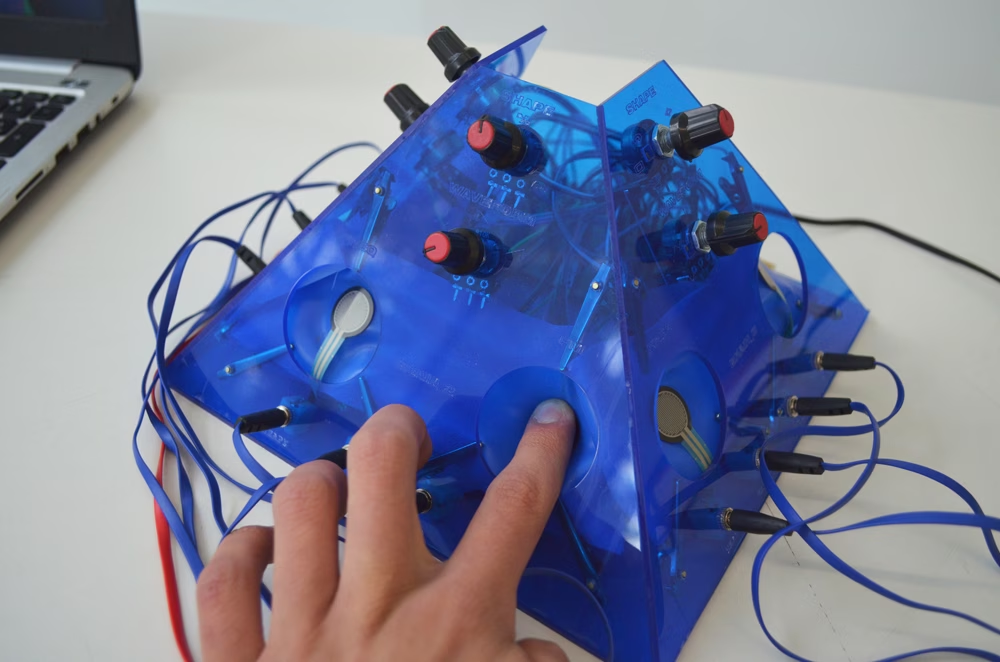
VSC_RL was my undergraduate thesis project: a set of controllers that develops new ways of interacting with video synthesis by manipulating frequencies from unconventional materials and creating a visceral connection with the machine.
The project uses the VSynth modular video synthesis package for the Max/MSP visual programming language.
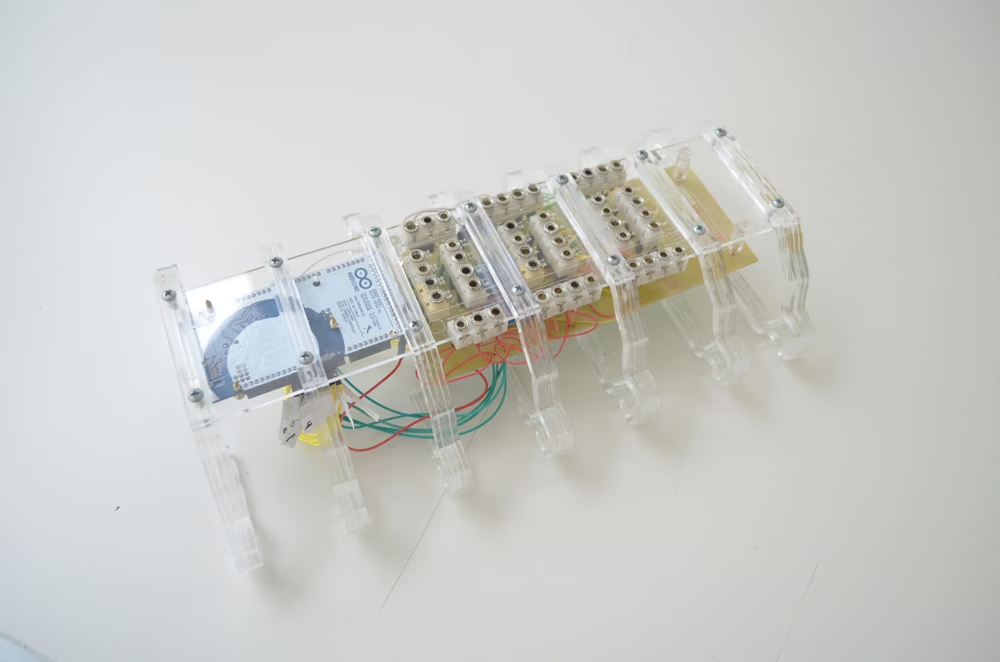
ZPINE
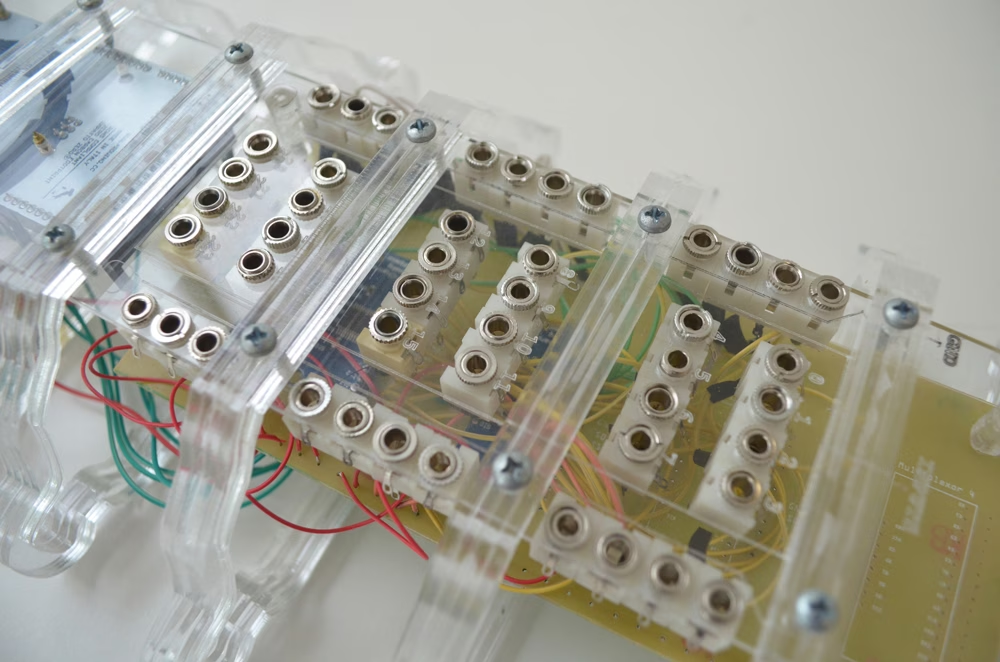
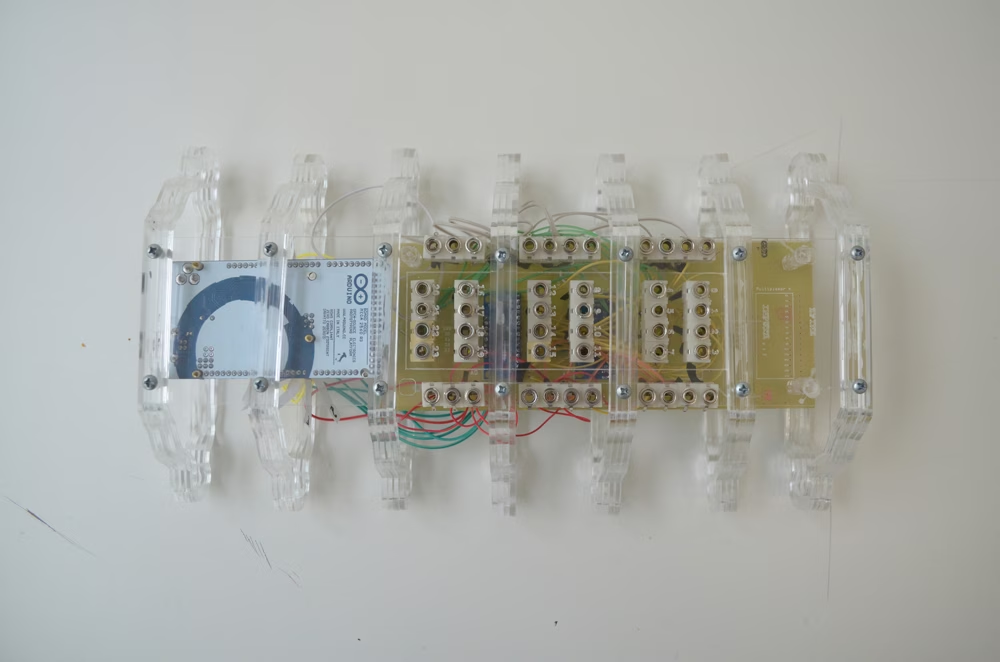
VSC_RL's main pillar and central connection point. While its spine acts as the support for the Central Nervous System, its vertebrae serve as a method of protecting it and also as a support for the entire structure. ZPINE consists of an Arduino Mega board, 4 multiplexers and 24 analogue inputs (3.5mm).
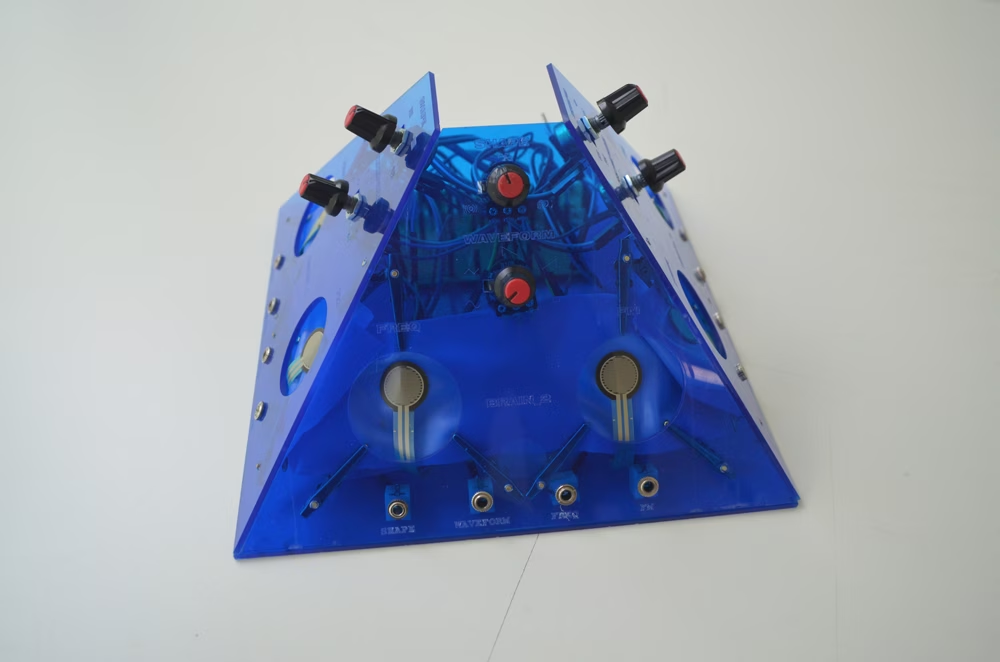
BRAINZ
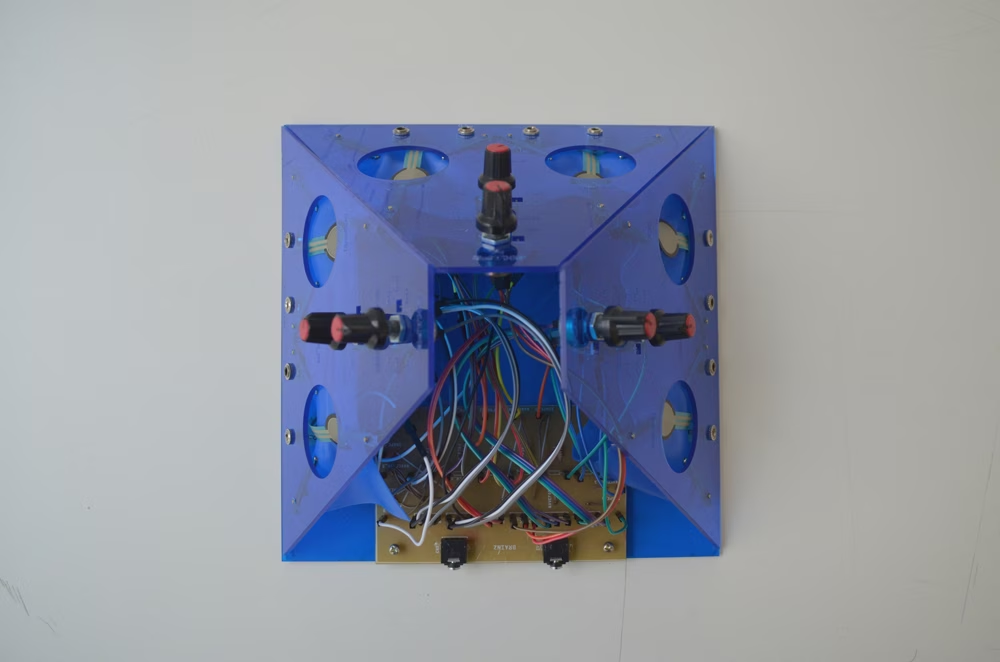
VSC_RL's central synthesis organ is composed of 3 oscillators connected by a frequency modulation link that the user can alter by manipulating its nerve tissue composed of small fibrous strips and control knobs. However, these 3 brains sometimes send impulses without warning. BRAINZ is composed of 6 potentiometers and 6 force resistors attached to theraband strips.
EYEZ
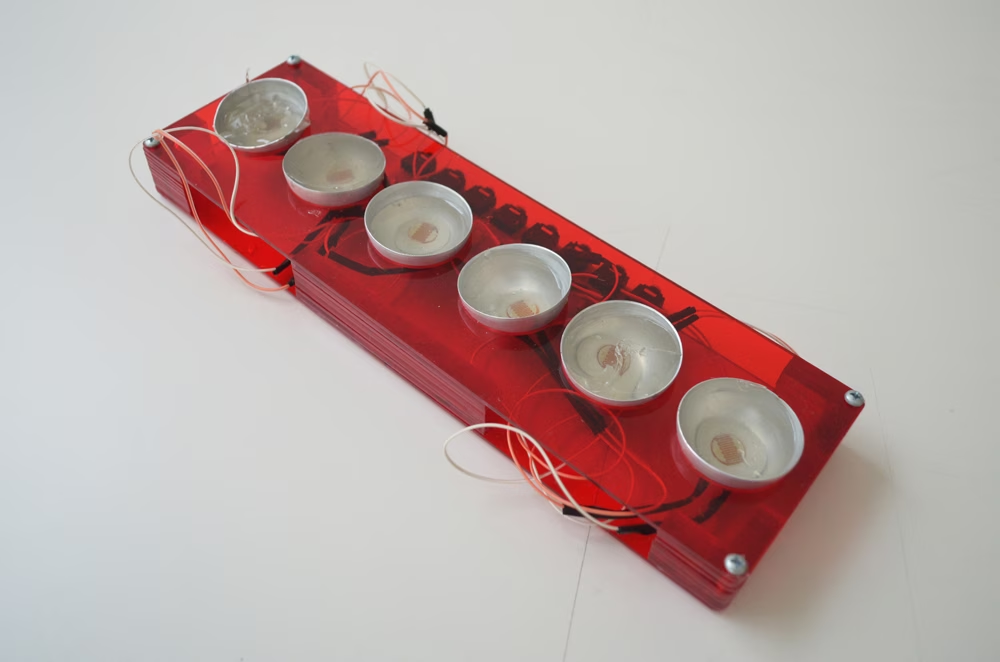
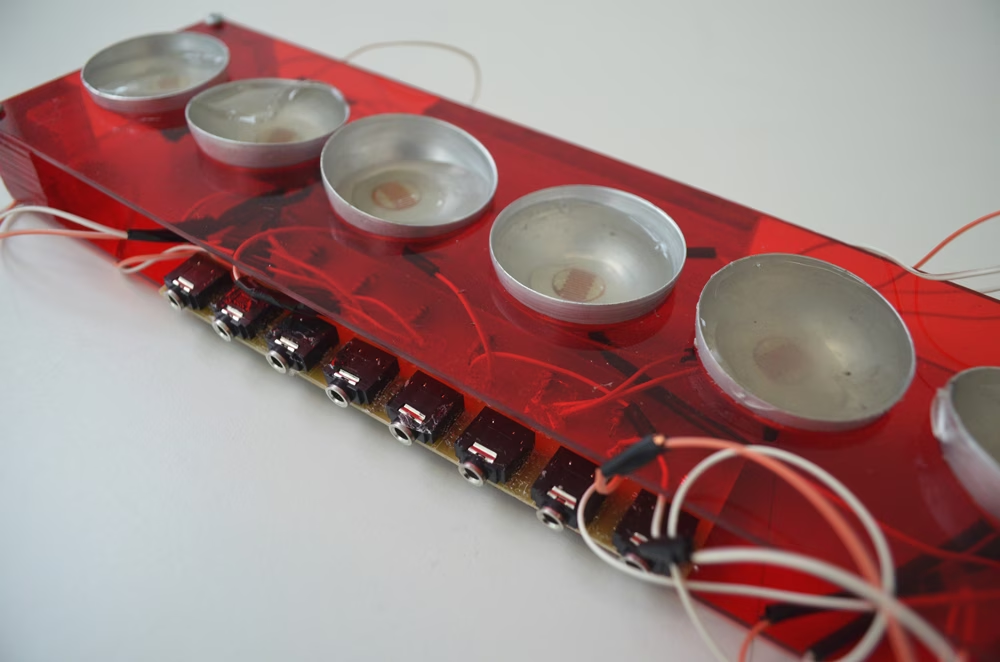
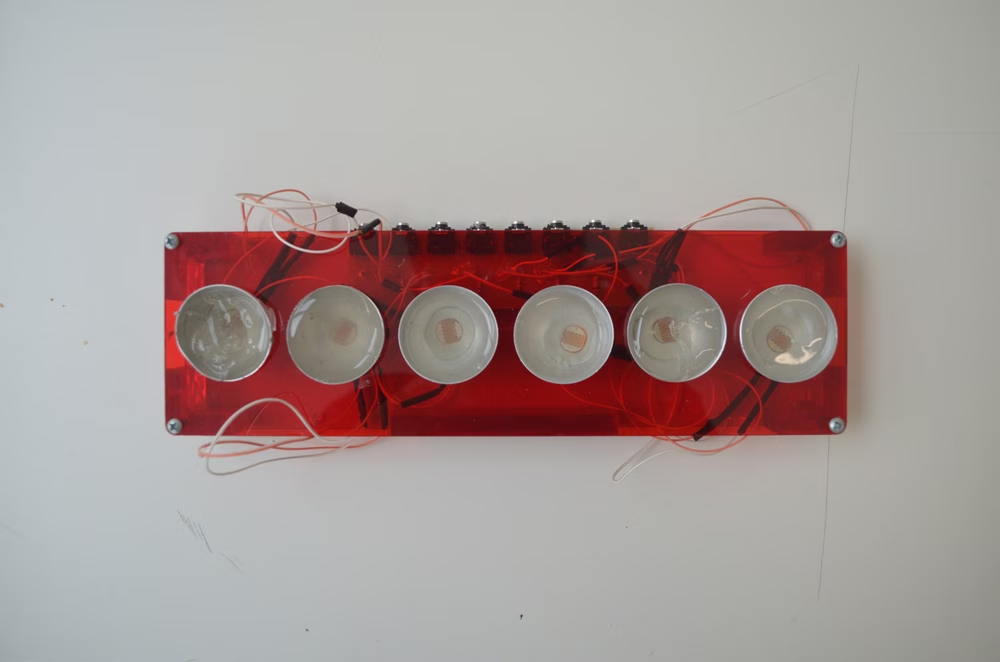
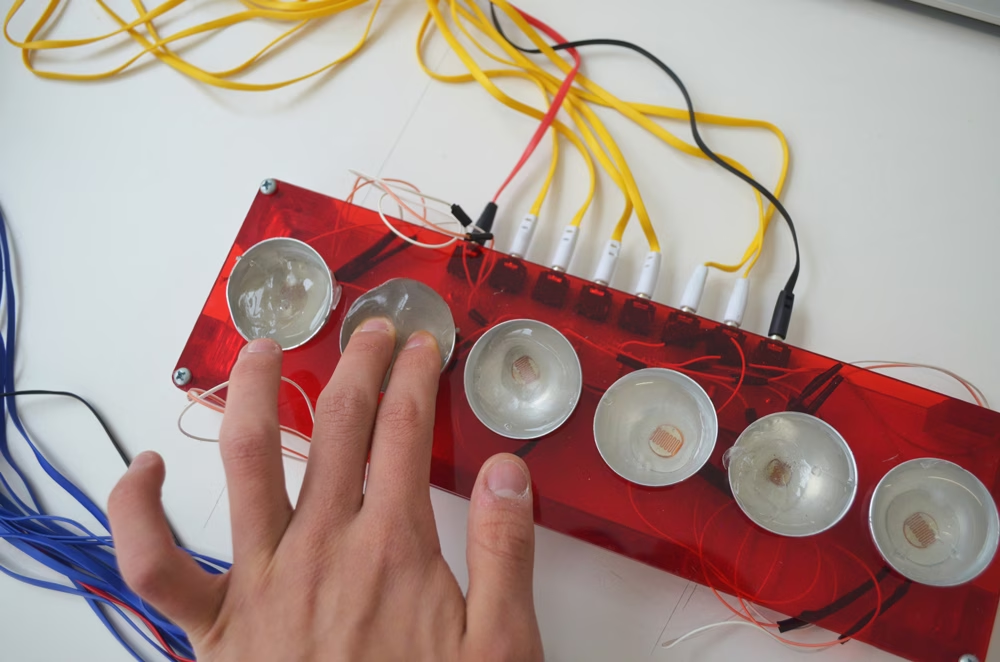
VSC_RL's photoreceptor cells have hyperspectral vision capabilities, allowing it to gather and process information across the entire electromagnetic spectrum using its 6 eyes. But for VSC_RL to filter colour, the user must play with its vitreous humour; a transparent, gelatinous mass that controls the amount of light reaching the photoreceptor cells. EYEZ is composed of 6 photoresistors attached to transparent slime.